
How does teacher-student connectivity emerge when all qurrāʾ are considered together?
A digital history of qira'at centered on tabaqat literature
Atlas of Qira'at Studies
A scholarly digital humanities project that renders teacher-student relationships, the qira'at memory of cities, and transregional scholarly mobility visible as interconnected networks.
4Main Axes
SNANetwork Analysis
TabaqatData Basis
◆
About
The Atlas of Qira'at Studies seeks to reinterpret the historical trajectory of qira'at, one of the most deeply rooted disciplines of Islamic scholarship, through the lens of tabaqat literature.
The project aims to make teacher-student relationships among scholars tangible as networks through the tools of digital humanities, while also highlighting the qira'at memory of cities and patterns of scholarly mobility across regions.
The project draws on academic initiatives developed within the Department of Qur'an Recitation and Qira'at Studies at Marmara University Faculty of Theology. The intellectual basis of this work was shaped by Prof. Dr. Mehmet Emin Maşalı's vision of reading qira'at history through tabaqat literature.
The sustained collaborative effort, scholarly consultation, and close teamwork of Eren Pilgir and Furkan Akbulut over more than two years have made it possible to transform theoretical insights into a concrete digital platform.
◆
Core Questions
How did teacher-student relationships shape the qira'at accumulation of cities?
Which cities historically stood out in the formation of qira'at knowledge?
Which qurrāʾ played formative roles in the construction of scholarly basins within cities?
How did qira'at transmissions occur between scholarly basins?
To what extent were the preferences of qira'at scholars consistent with the qira'at understanding of their period?
◆
Project Stages
Qurrāʾ
Biographical data of scholars who transmitted qira'at variants are examined, and teacher-student relationships are mapped through digital network analysis.
Periods
The history of qira'at is subjected to a new tabaqat-centered periodization, and processes of school formation are situated within their historical context.
Cities
Centers where qira'at education concentrated are read through data-driven analysis of scholarly journeys and geographic mobility.
Readings
The variants systematized through person, time, and place variables, together with the preferences of qira'at imams, are classified within a digital database.
◆
Research Scope and Method
Primary Data Source
Ibn al-Jazari's Ghāyat al-Nihāya fī Tabaqāt al-Qurrāʾ has been selected as the main source for identifying teacher-student relationships. Other tabaqat sources will also be used while constructing biographies.
Social Network Analysis
The project uses Social Network Analysis to transform complex scholarly relations into more legible networks. This method will be employed to reveal the teacher-student network in qira'at in a data-driven way.
◆
Goals and Objectives
01
To identify teacher-student relationships among scholars and make the transmission networks of qira'at visible.
02
To evaluate the quality of qira'at transmission by taking the concepts of tahammul and adāʾ into account.
03
To analyze the qira'at memory and scholarly accumulation of cities within a historical relationship between space and knowledge.
04
To interpret qira'at mobility between scholarly basins and cities through geographic routes.
◆
Project Team
The Atlas of Qira'at Studies is taking shape as an interdisciplinary team effort that reinterprets the classical tabaqat tradition through digital methods.
Advisors
The advisory team shaping the scholarly and digital framework of the project.
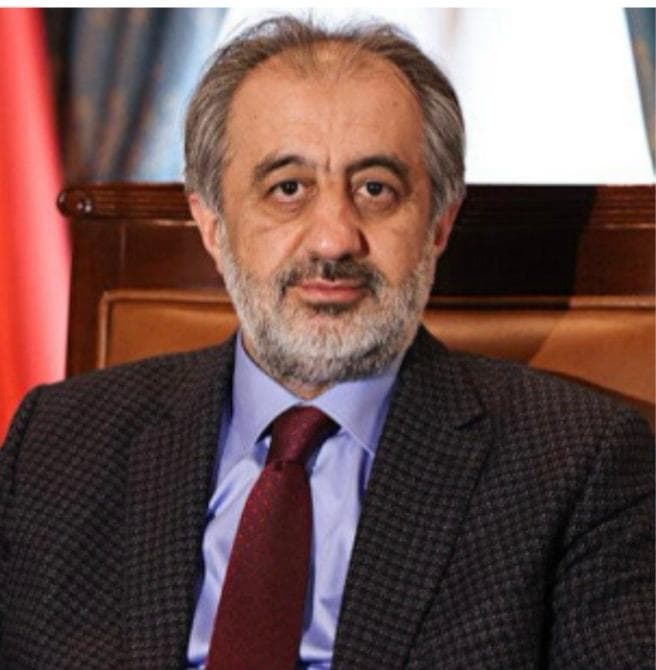
Field Advisor
Prof. Dr. Mehmet Emin Maşalı
Marmara University Faculty of Theology
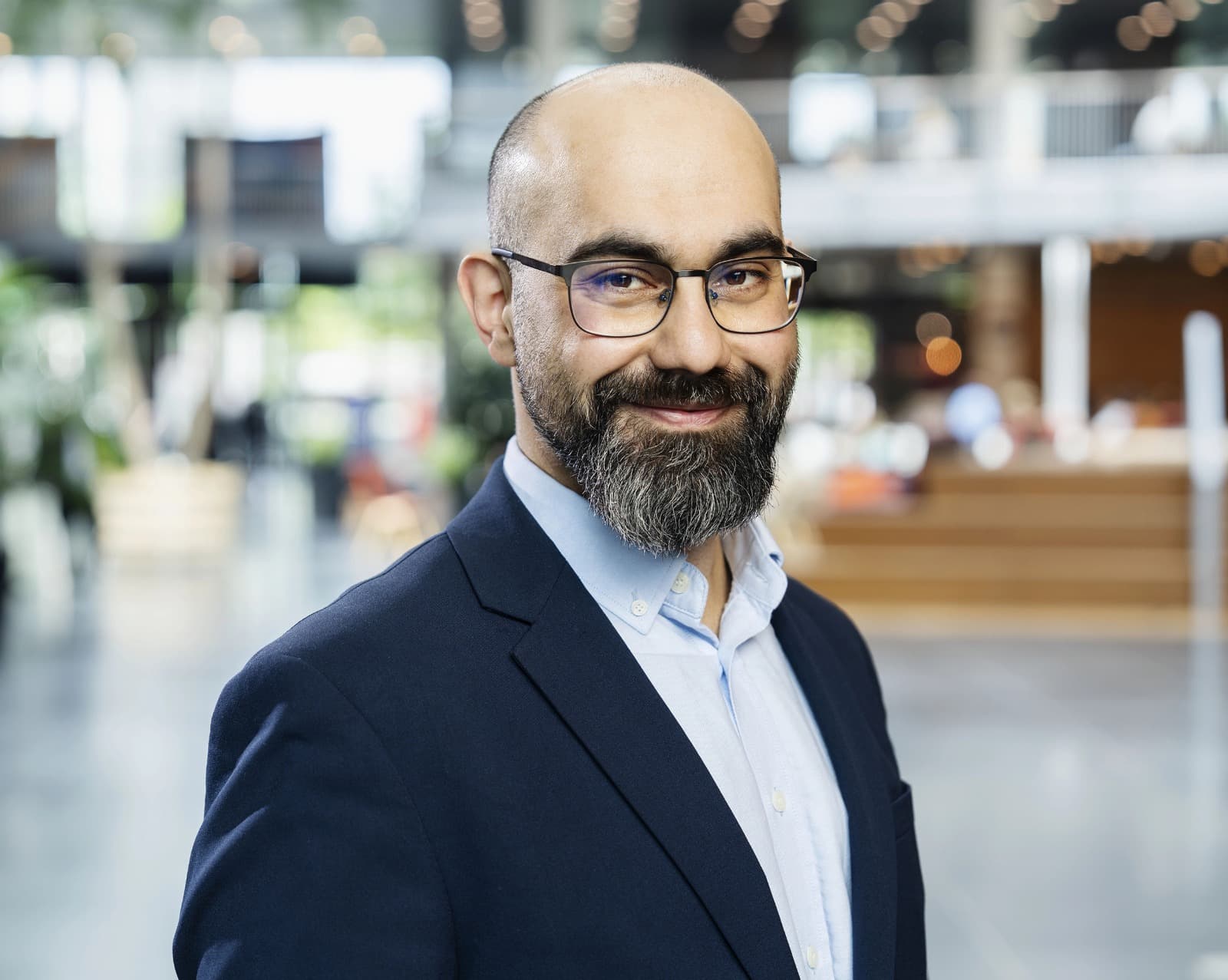
Digital Humanities Advisor
Dr. Yusuf Çelik
Vrije Universiteit Amsterdam
Project Leads
The team jointly coordinating the academic and operational workflow.
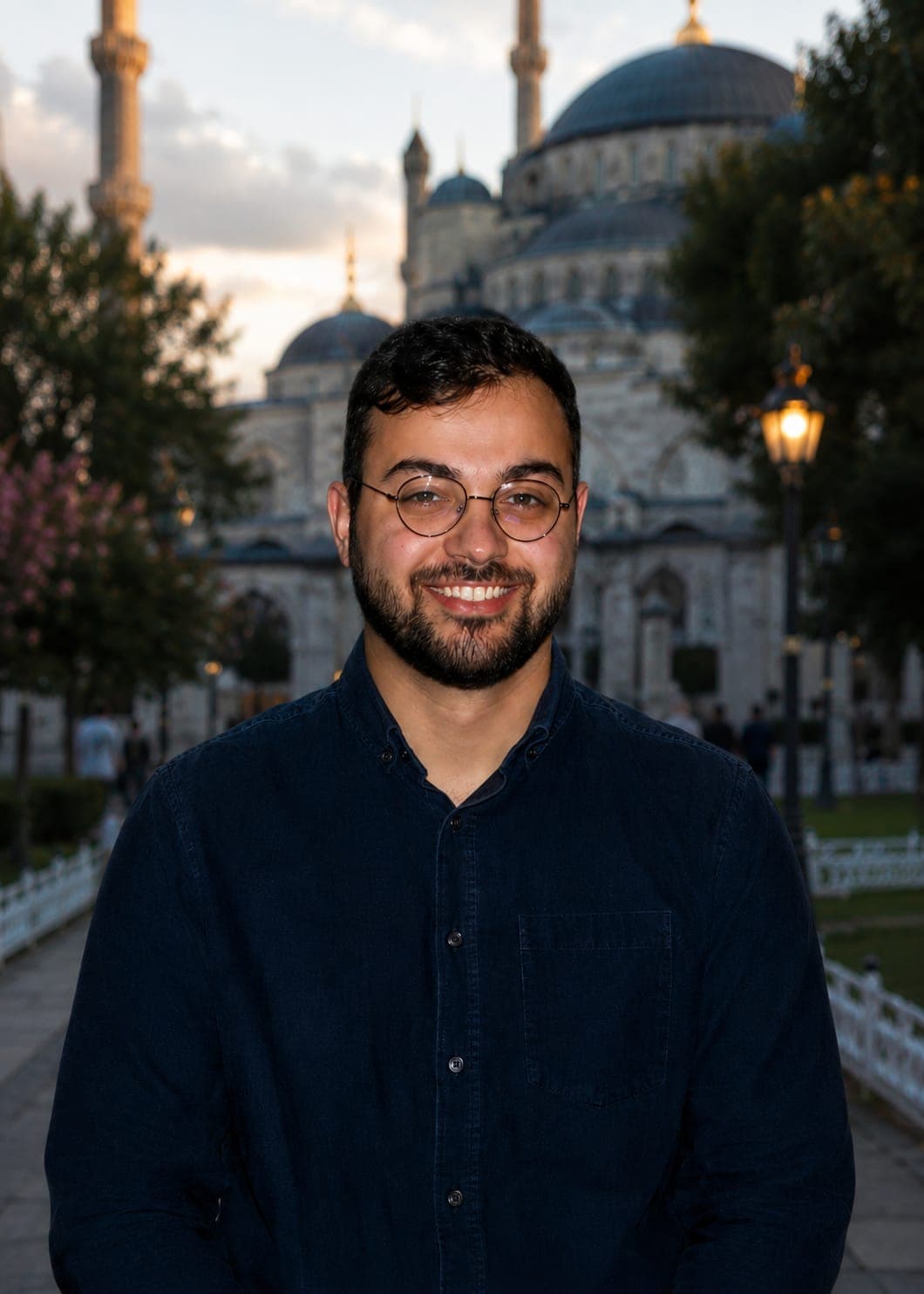
Project Lead
Arş. Gör. Furkan Akbulut
Marmara University Faculty of Theology

Project Lead
Arş. Gör. Dr. Eren Pilgir
Marmara University Faculty of Theology
Software
Interface, data, and infrastructure development for the digital atlas.
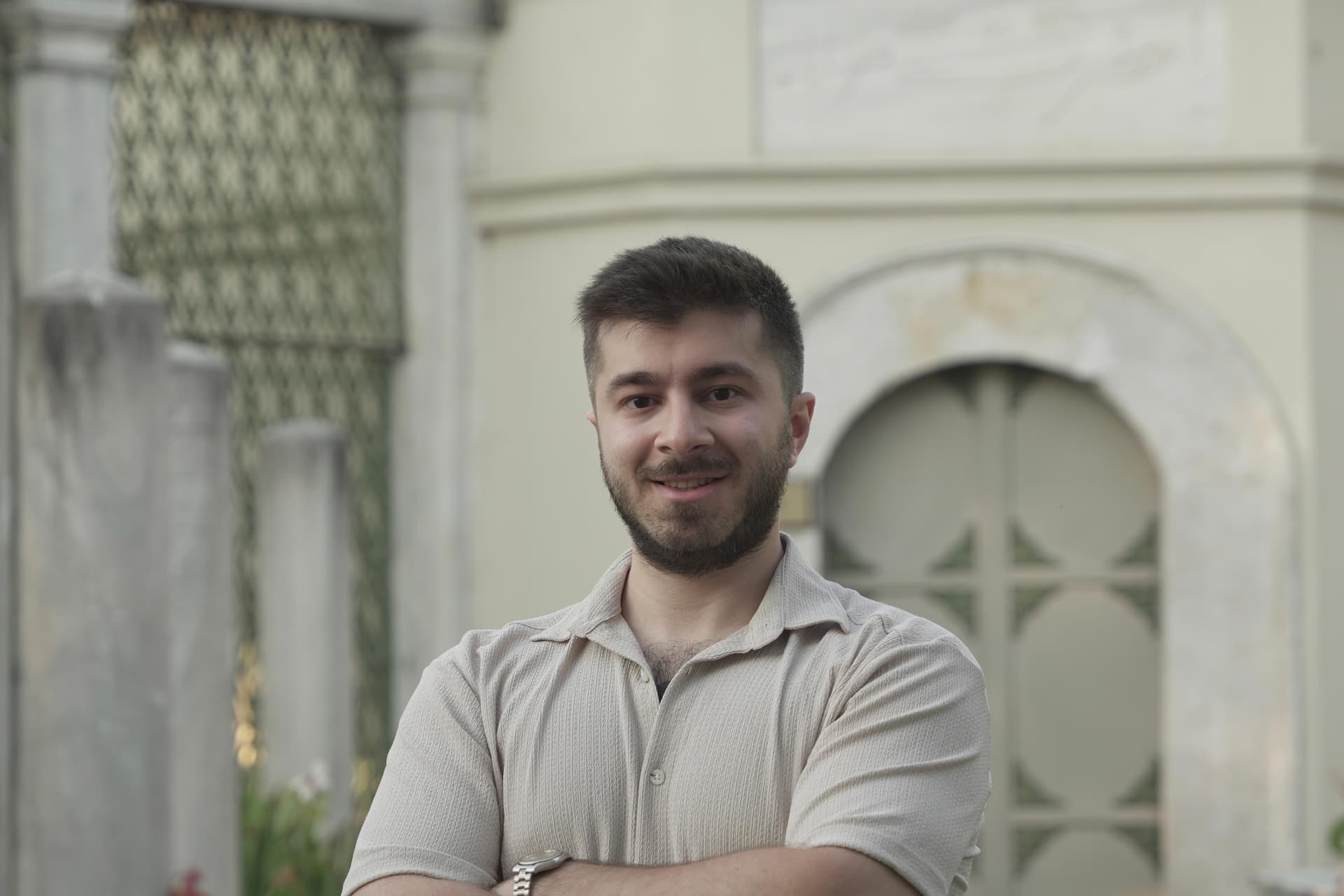
Software Engineer
Abdullah Köroğlu
Researchers
The research team responsible for collecting, classifying, and interpreting qira'at historical data.
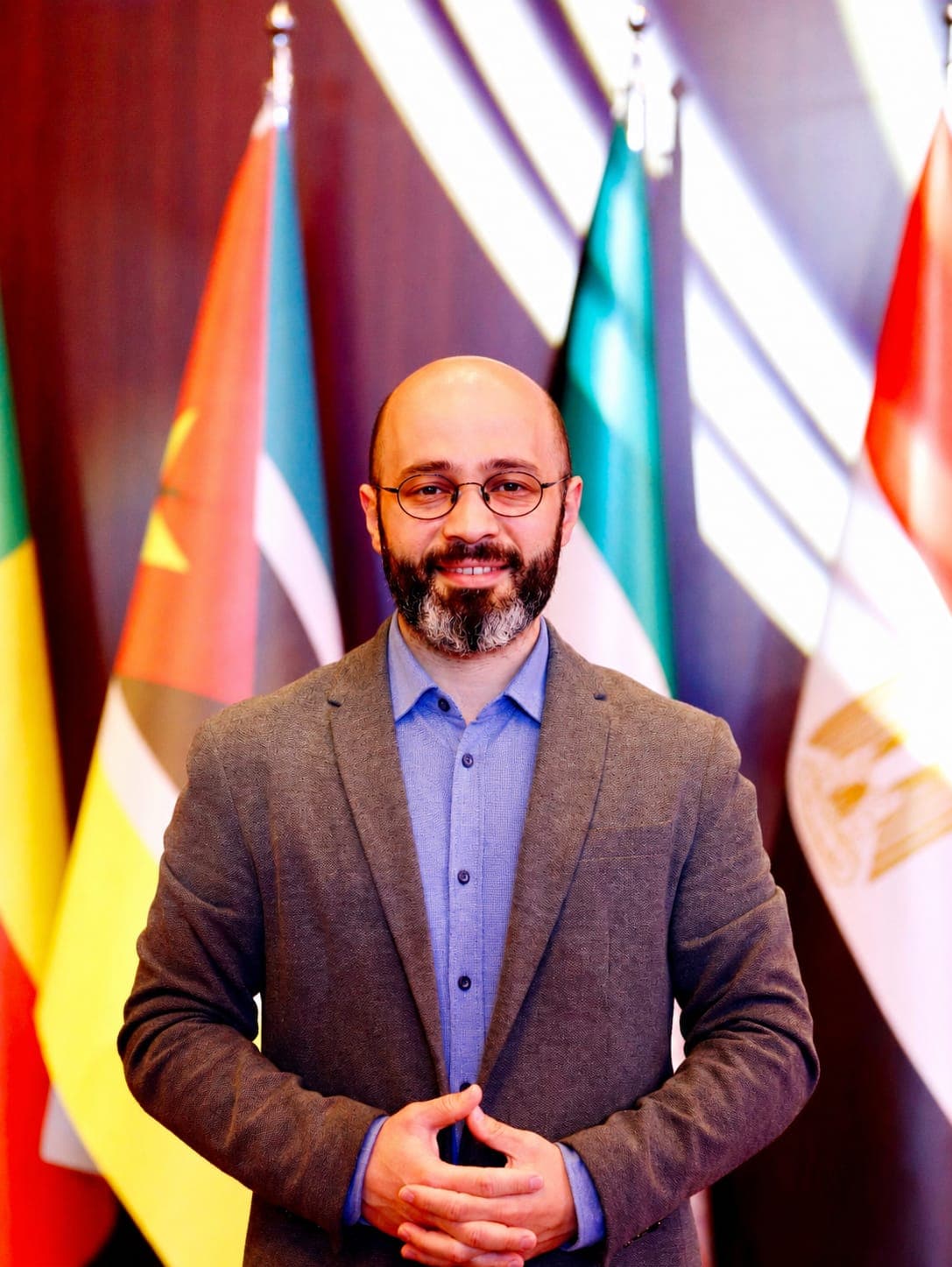
Researcher
Öğr. Gör. Yunus Özgen
Marmara University Faculty of Theology
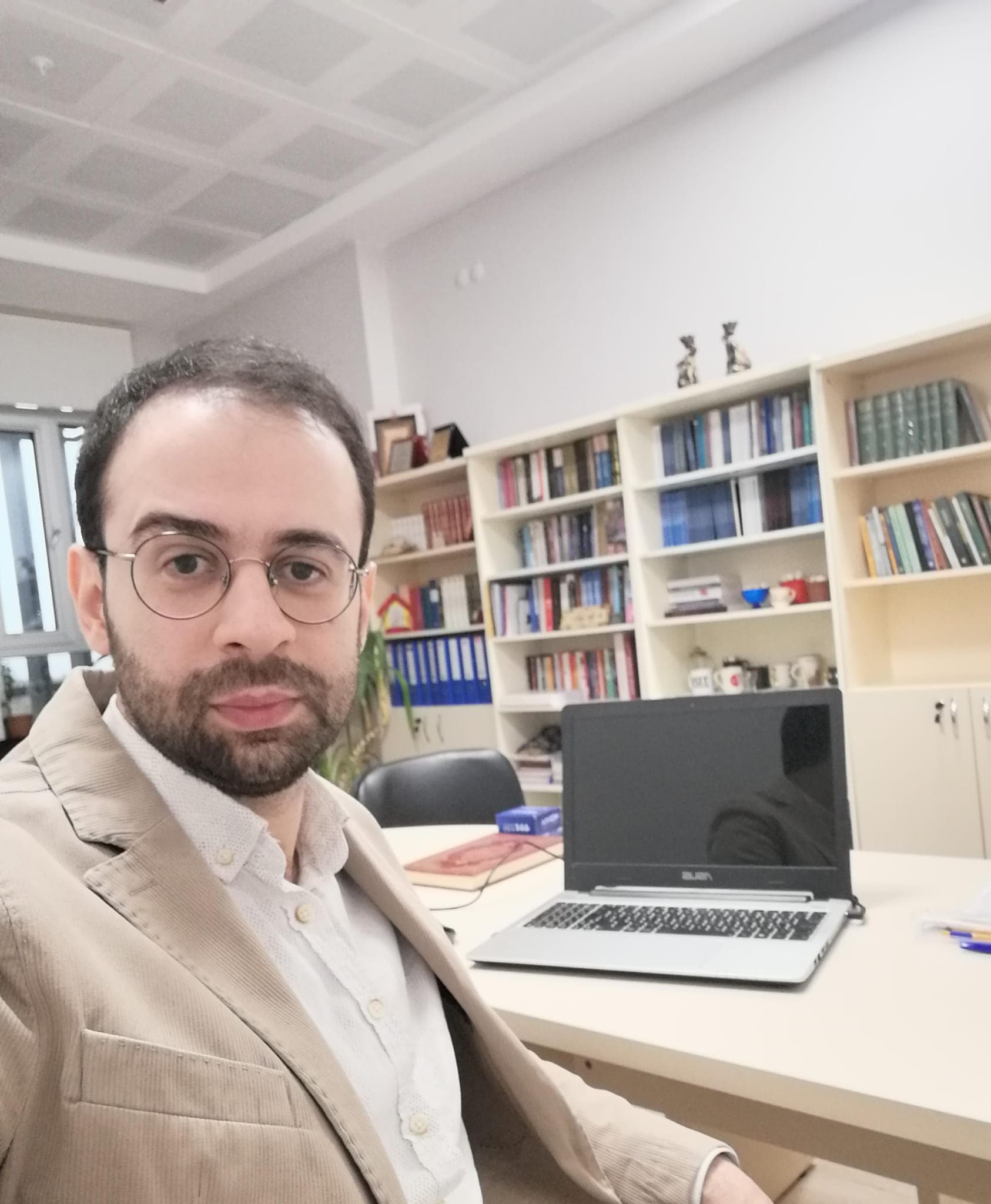
Researcher
Öğr. Gör. Adem Taş
Kırklareli University Faculty of Theology
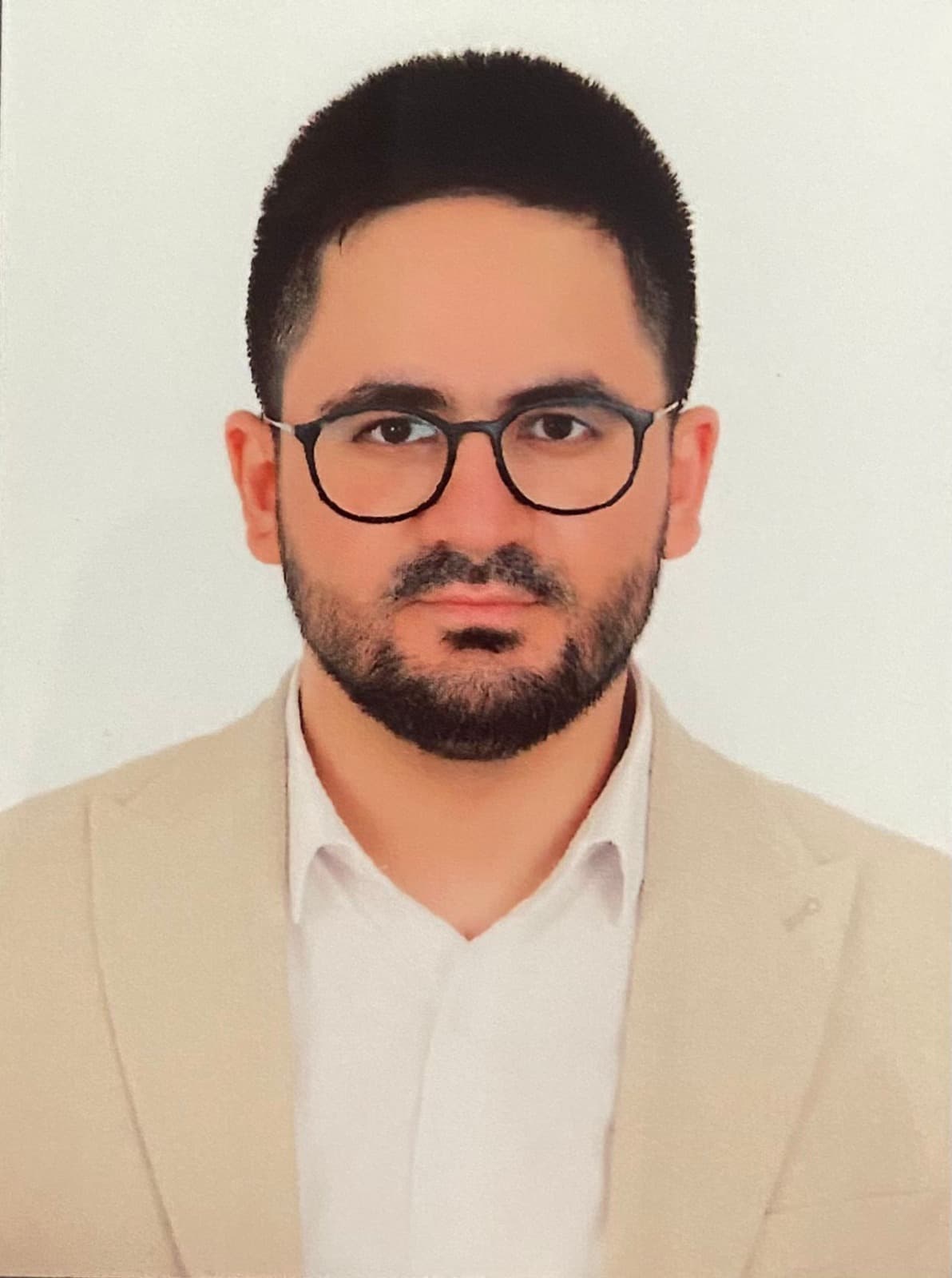
Researcher
Öğr. Gör. Atakan Türker
Medeniyet University Faculty of Theology
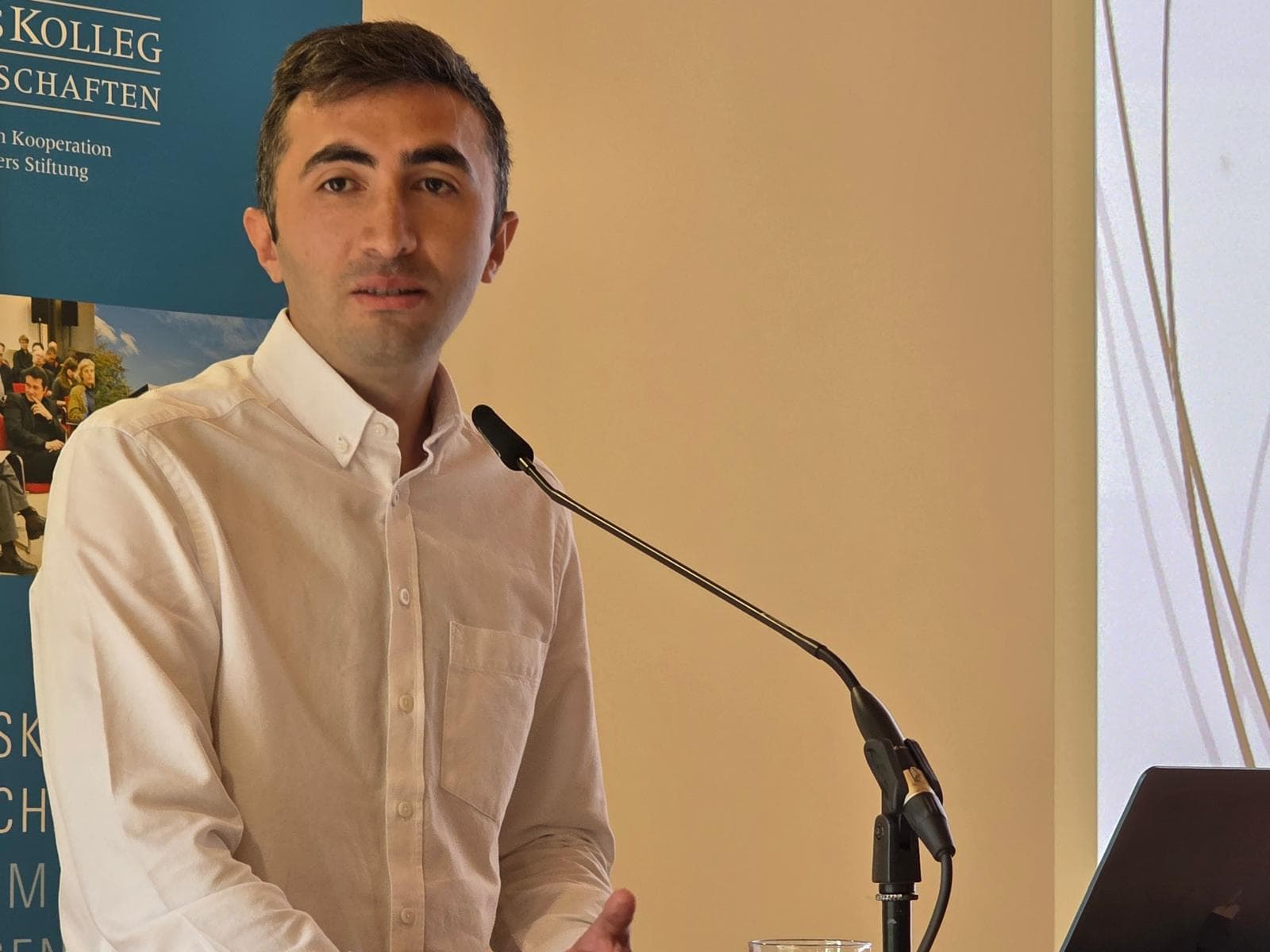
Researcher
Arş. Gör. Dr. Muhammet Lütfü Tatlısu
Muş Alparslan University Faculty of Theology
.jpg.jpeg&w=1920&q=75)
Researcher
Arş. Gör. Ebubekir Kaçan
Medeniyet University Faculty of Theology
Researcher
Arş. Gör. Azim Kartal
Amasya University Faculty of Theology
Researcher
Arş. Gör. Hüseyin Çelikkol
Çankırı Karatekin University Faculty of Theology
Researcher
Arş. Gör. Ahmet Ökkeş Karaca
Trabzon University Institute for Qur'an Studies and Qira'at
Researcher
Nurullah Kütük
Marmara University Master's Student
◆